If you’re wondering whether Tucson feels like a laid-back desert escape, a practical mid-size city, or a place built around sunshine and mountain views, the honest answer is all three. Daily life here has a rhythm that is shaped by heat, scenery, food, and a strong sense of local identity. If you’re considering a move, this guide will help you picture what everyday life in Tucson really looks like, from weather and commuting to culture and weekend routines. Let’s dive in.
Tucson feels like a true desert city
Tucson is a large city, but it still feels human in scale. The U.S. Census Bureau estimated the city’s population at 554,013 in July 2024, which means you get many big-city basics without the feel of an oversized metro. At the same time, the setting is what defines life here most.
You’re surrounded by the Sonoran Desert, with Saguaro National Park on both the east and west sides of the city and Mount Lemmon rising nearby in the Santa Catalina Mountains. According to the National Park Service, the area’s major elevation changes create unusually diverse ecology, so the landscape feels more varied than people expect. In real life, that means your daily backdrop can include saguaros, rocky desert terrain, and mountain views all in the same day.
Weather shapes your routine
If you live in Tucson, you do not just notice the weather. You plan around it. According to the National Weather Service Tucson normals, the annual average high is 84.0°F, the annual average low is 57.3°F, and annual precipitation is 10.61 inches.
Winter is mild, with average highs in the mid-60s in December and January. Summer is a very different story, with June and July averaging around 100°F and Tucson seeing 68 days each year at 100°F or higher. That is a major lifestyle factor, not a minor footnote.
Because of that, many people shift outdoor plans to early mornings and evenings. Midday often becomes time for indoor errands, work, lunch, or simply staying close to air conditioning. The rhythm is different from places where afternoons are the default time to be outside.
Monsoon season is part of life
Tucson’s monsoon season runs from June 15 through September 30, according to the National Weather Service monsoon safety guidance. It often starts with intense heat, then brings thunderstorms, dust storms, flash flooding, and occasional road closures.
For day-to-day life, that means summer can feel dramatic and beautiful, but also unpredictable. You may start the day with sunshine and end it watching a fast-moving storm roll in over the mountains. It is one of the most memorable parts of living here, but it also means paying attention to forecasts and adjusting plans when needed.
Outdoor access is built into daily life
One of Tucson’s biggest lifestyle perks is how easy it is to stay connected to the outdoors. This is not just a weekend-only nature city. Outdoor access is woven into everyday routines.
Many residents use mornings or evenings for walks, bike rides, trail time, or just being outside when temperatures are more comfortable. That pattern fits with National Weather Service guidance to move strenuous activity to cooler parts of the day during hotter months.
The Chuck Huckelberry Loop is a big part of that routine for many people. Pima County says the Loop includes more than 138 miles of paved pathways and bike lanes, including a complete 53.9-mile circuit connecting parks, trailheads, workplaces, restaurants, entertainment venues, and more. It is used for walking, biking, skating, and even horseback riding, which gives Tucson a very active but still approachable outdoor culture.
Mount Lemmon gives Tucson a different side
One of the most unique things about Tucson life is that a mountain escape is close by. The Mount Lemmon Recreation Site is described by the U.S. Forest Service as a mixed conifer and aspen forest with shady picnic areas, views, and trail access.
That contrast matters. You can be in desert heat in town and then head toward a cooler, forested setting nearby. For many residents, that kind of variety makes Tucson feel more flexible and livable year-round.
Getting around is usually straightforward
Tucson is not a place where one single transportation style defines every household. Many people drive, but there are also public transit and active transportation options that matter in daily life.
The city’s mean travel time to work is 22.2 minutes, according to Census QuickFacts. That gives you a useful general benchmark if you are trying to picture your weekday routine.
For public transportation, Sun Tran’s ride guide says the system operates 26 fixed routes across Tucson, South Tucson, the Tohono O’Odham Nation, the Pascua Yaqui Tribe, and Pima County, along with more than 2,200 bus stops. The same guide notes 25 park-and-ride locations in Marana, Oro Valley, and Tucson.
The downtown corridor feels most connected
If you want the most transit-rich and walkable-feeling part of Tucson, the downtown-to-university corridor stands out. Sun Link is a 3.9-mile streetcar loop with 23 stops connecting the Mercado District, Downtown, 4th Avenue, Main Gate Square, and the University of Arizona.
That creates a connected core where daily life can feel more linked by shops, events, dining, and campus energy. It is one reason Tucson can feel both neighborhood-based and corridor-based at the same time.
Food is a real part of Tucson’s identity
Some cities have good restaurants. Tucson has a food identity. That difference shows up quickly when you spend time here.
UNESCO named Tucson a Creative City of Gastronomy, recognizing the city’s layered food history, traditional techniques, and contemporary restaurant culture tied to local foods. That is a big part of why locals talk about food as part of Tucson’s personality, not just its amenities.
A great everyday example is the Sonoran hot dog. Visit Tucson’s Sonoran Dog Trail highlights it as a local staple rooted in borderlands food culture. You do not have to be a serious foodie to notice that Tucson takes local flavor personally, in the best way.
Arts, heritage, and local pride run deep
Tucson’s cultural life is not limited to a few special events each year. The city treats arts, history, and heritage as part of civic life. The City of Tucson Cultural Affairs office says it supports arts, historic preservation, public art, and cultural traditions through its Cultural Heritage Strategy adopted in January 2025.
That helps explain why Tucson often feels self-aware and locally invested. There is a clear sense that the city values its stories, traditions, and public spaces.
The University of Arizona also adds energy to the city’s social and cultural life. One example is the Tucson Festival of Books, which the university describes as a major campus event drawing large crowds and hundreds of authors. Even if you are not attending every event, that kind of activity shapes the feel of the city.
Tucson living comes with trade-offs
Tucson has a lot to offer, but the lifestyle works best when you are honest about the trade-offs. The biggest ones are heat, monsoon weather, dust, flash-flood risk, and the need to think about water use in a desert environment.
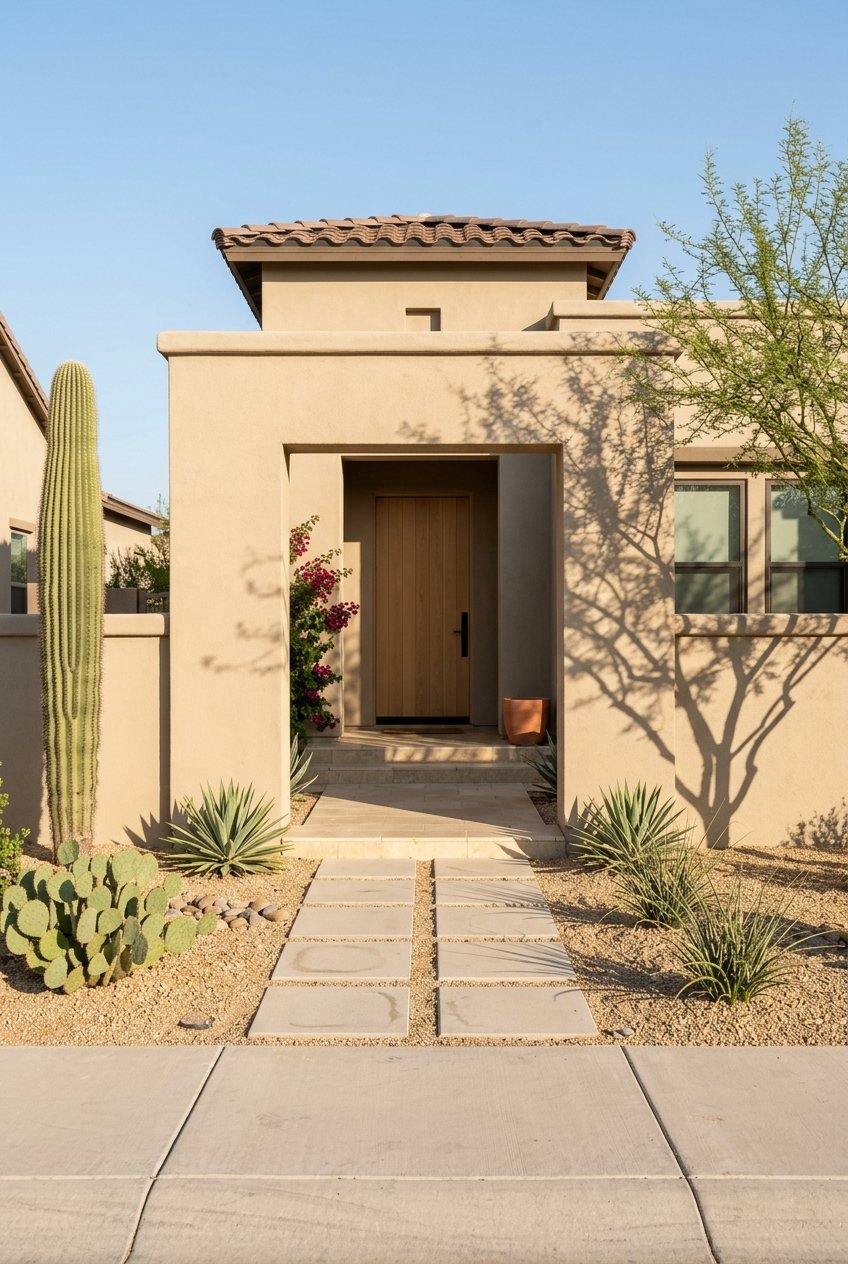
The city’s approach to water is practical and visible. Tucson Water says the city builds on a long history of water stewardship, supports conservation, promotes rainwater harvesting, and approved code changes in 2023 that prohibit ornamental turf in many new development settings.
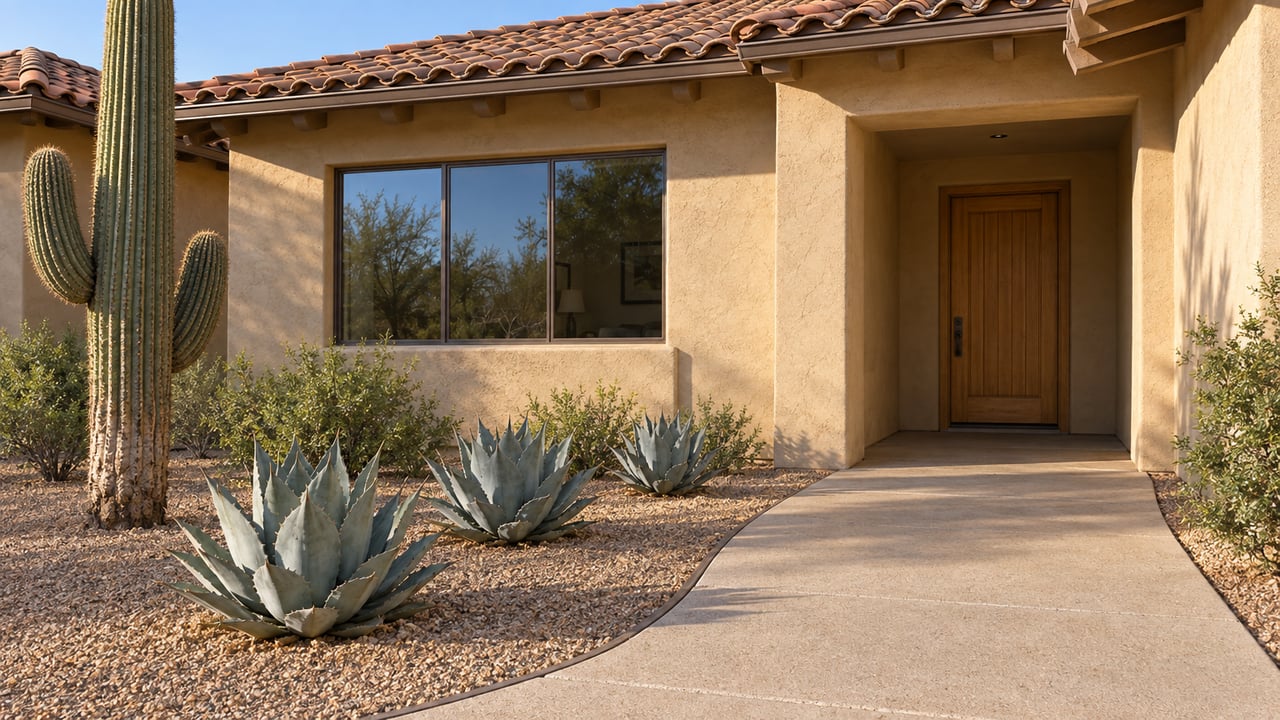
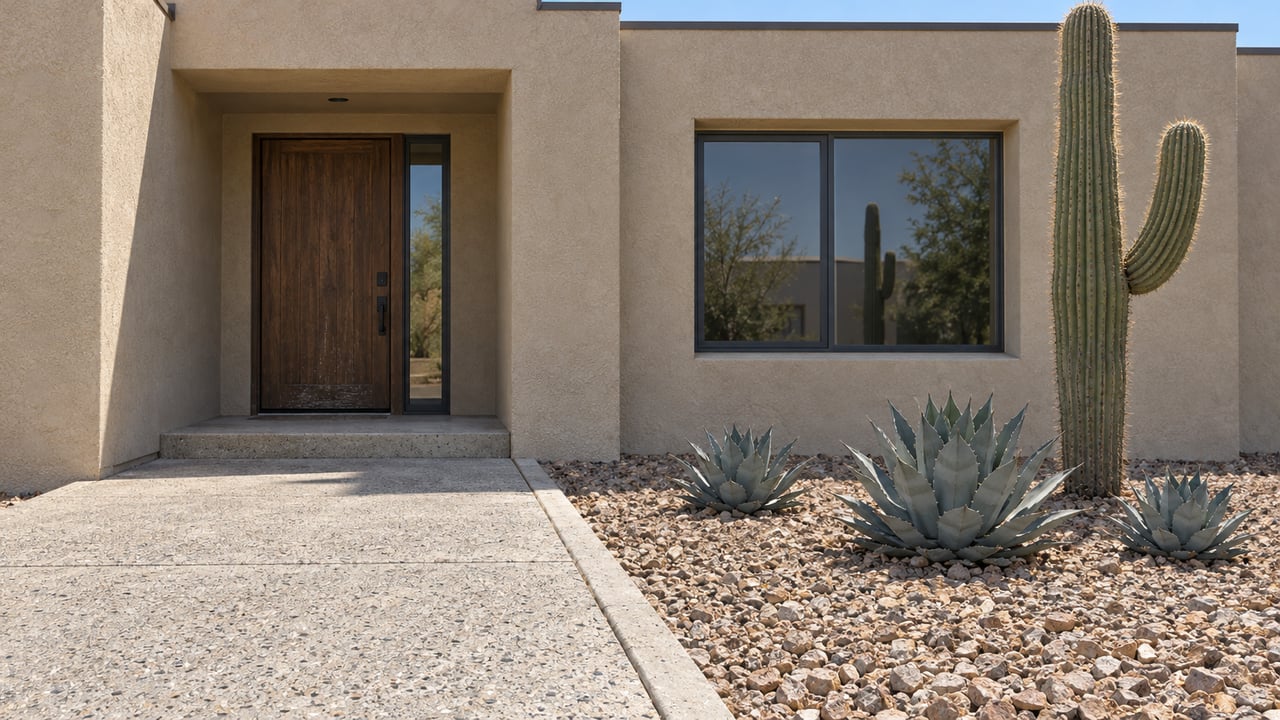
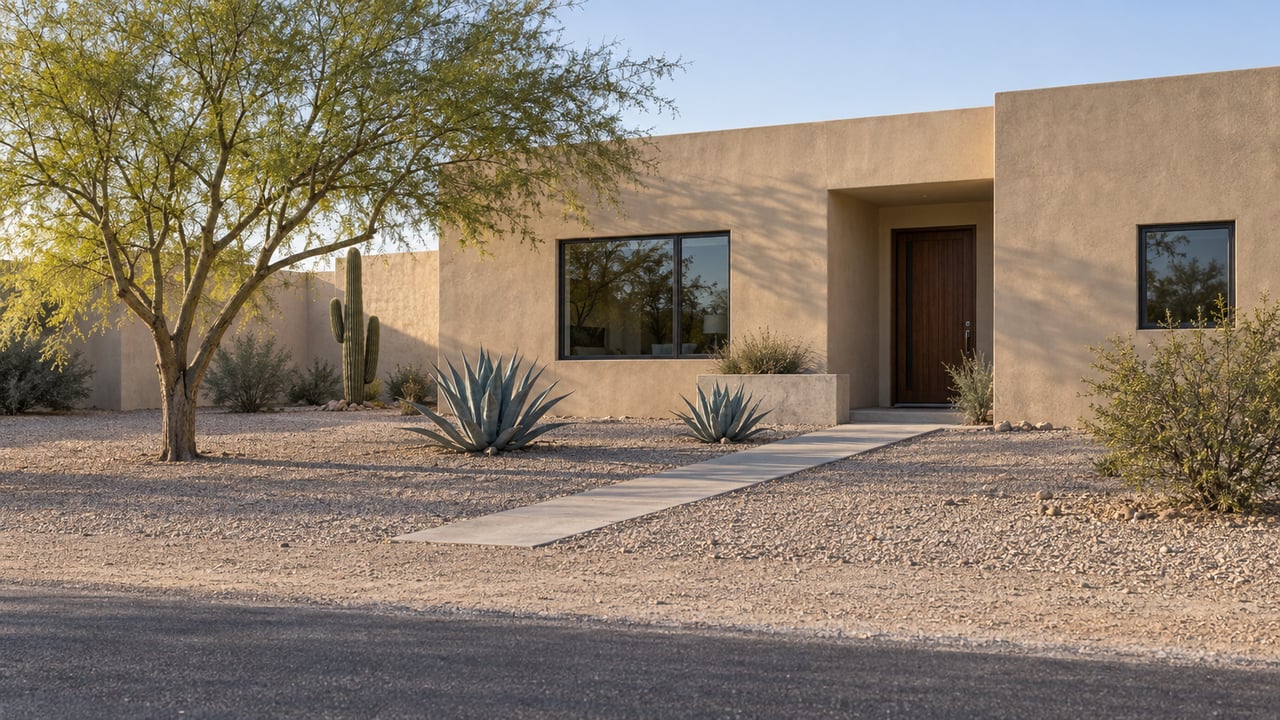
That is why many yards and public landscapes look desert-adapted rather than lawn-heavy. For some people, that feels beautiful and sensible right away. For others, it is an adjustment. Either way, it is a real part of everyday Tucson living.
Tucson is also a broader Pima County lifestyle
When people talk about Tucson, they are often talking about more than the city limits. Everyday life here connects closely with nearby communities across Pima County.
According to Sun Tran’s ride guide, Sun Shuttle serves Oro Valley, Marana, Sahuarita, Green Valley, Tucson Estates, and Ajo-Tucson. That wider map matters if you are thinking about housing, commuting, errands, or how much city access you want in your routine.
For many buyers, this is an important part of the decision. You are not only choosing Tucson itself. You are choosing how close you want to be to the city’s core, the mountain backdrop, major corridors, and the broader metro pattern of daily life.
What everyday Tucson life usually feels like
In practical terms, life in Tucson often looks like this:
- Early starts for walks, coffee runs, or outdoor time
- Midday breaks indoors during hotter months
- Evenings that bring people back outside
- Regular mountain views and desert scenery as part of normal routines
- A strong local food culture that shows up in casual dining and city pride
- Seasonal awareness around heat, storms, and water-wise living
For the right person, that rhythm feels easy, sunny, and grounded. If you want desert beauty, outdoor access, a strong sense of place, and a city that does not feel overwhelmingly large, Tucson can be a very compelling place to land.
If you’re trying to figure out which part of greater Tucson best fits your lifestyle, budget, and daily routine, Katie Gibbons can help you make sense of the options with clear guidance and local insight.
FAQs
What is daily life in Tucson, Arizona like?
- Daily life in Tucson is shaped by desert weather, mountain views, outdoor access, local food culture, and routines that often shift outdoor activity to mornings and evenings.
How hot does Tucson get during the year?
- According to the National Weather Service, Tucson averages around 100°F in June and July and sees 68 days per year at 100°F or higher.
What is monsoon season like in Tucson?
- Tucson’s monsoon season runs from June 15 through September 30 and can bring thunderstorms, dust storms, flash flooding, and occasional road closures.
Is Tucson easy to get around without driving?
- Tucson has public transit through Sun Tran and the Sun Link streetcar, especially along the downtown-to-university corridor, though transportation needs vary by area and routine.
What makes Tucson’s food scene stand out?
- Tucson is a UNESCO Creative City of Gastronomy, with a food culture shaped by local ingredients, regional traditions, and signature staples like the Sonoran hot dog.
How does water conservation affect Tucson living?
- Water stewardship is a visible part of Tucson life, so many landscapes and newer developments are designed to be water-wise rather than centered on traditional lawns.