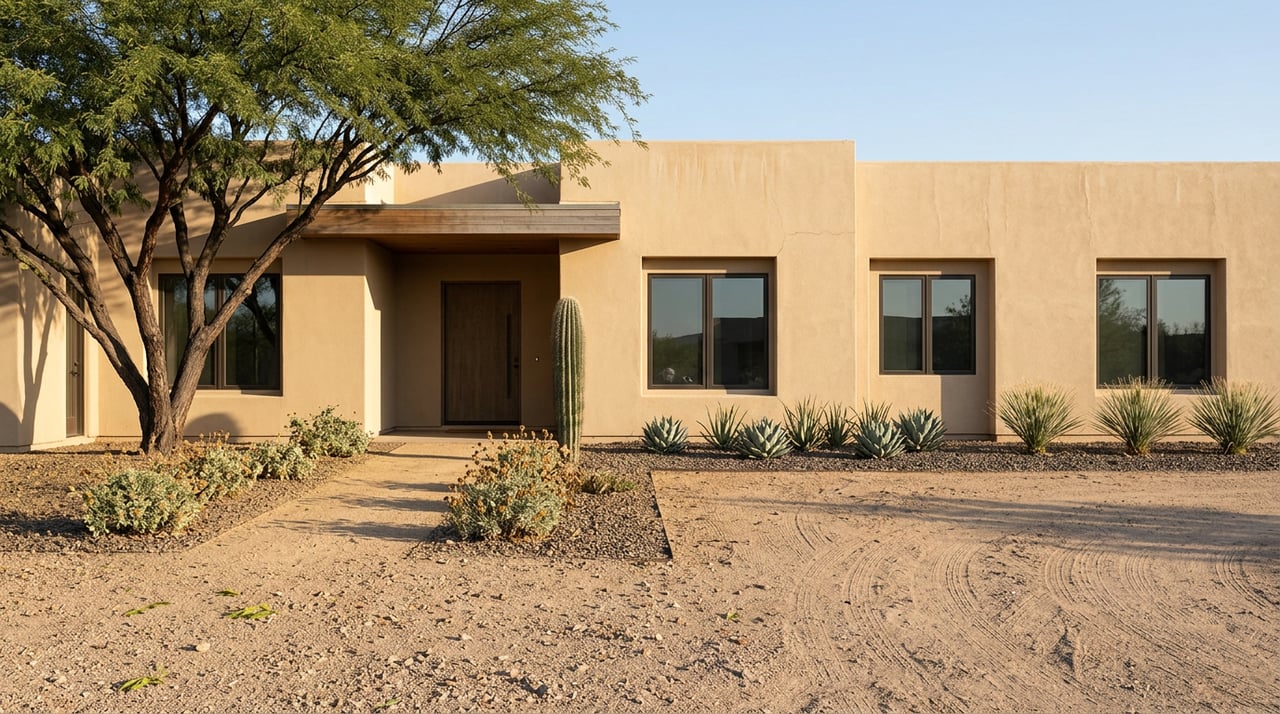
Thinking about moving to Vail from another state? You are not alone, and you are probably juggling a lot at once: neighborhoods, timing, paperwork, school boundaries, and the very real fear of buying a home from far away. The good news is that with the right plan, your move can feel a lot more manageable. This guide walks you through what to know about Vail, AZ before you relocate, how to narrow your options, and how to avoid common long-distance buying surprises. Let’s dive in.
Why Vail stands out
Vail is a census-designated place in Pima County with 13,604 residents as of the 2020 Census. It has a high owner-occupied housing rate of 91.1%, which gives you a quick sense that many people here own rather than rent. The Census Bureau also reports a median owner-occupied home value of $414,600.
If you work from home or need reliable tech access, Vail has a strong practical advantage. According to the Census Bureau, 98.3% of households report broadband access and 99.8% report a computer. That can be especially helpful if your move includes remote work, online school tasks, or managing a transition from another state.
Vail also has a commuter-friendly feel. The mean travel time to work is 29.7 minutes, which tells you many residents are balancing a quieter home base with access to the wider Tucson area. For out-of-state buyers, that often makes Vail appealing if you want more space while staying connected to regional job centers and services.
What daily life in Vail feels like
One of Vail’s biggest draws is outdoor access. Pima County describes Colossal Cave Mountain Park as a 2,400-acre natural resource park crossed by the Arizona National Scenic Trail. The county also describes Cienega Creek Natural Preserve as more than 4,000 acres of protected land in the Vail area.
That means your lifestyle planning should go beyond the house itself. If hiking, trail access, open space, and mountain views matter to you, Vail offers options that may feel very different from denser suburban areas in other states. It is a place where many buyers are choosing both a home and a setting.
At the same time, local conditions matter. Pima County warns that some Vail-area wash crossings can flood quickly, so drainage and access should be part of your due diligence. If you are buying remotely, this is one of those local details that is easy to miss without strong on-the-ground guidance.
Plan around Vail weather
If you are scheduling scouting trips, timing matters more than many out-of-state buyers expect. Tucson climate normals top out at 101.2 degrees in June and 100.2 degrees in July. The National Weather Service also notes that monsoon season brings substantial rainfall and lightning activity.
For many relocating buyers, spring, fall, and winter are simply easier times to visit. You can spend more time driving neighborhoods, checking lot conditions, and getting a real feel for the area without the stress of peak summer heat. Summer house hunting is still possible, but it often requires more planning and shorter windows outdoors.
Weather also affects what you pay attention to during due diligence. Roof condition, drainage patterns, and road access become even more important when heat and monsoon conditions are part of the local picture. That is especially true if you will not be in town often after closing.
Compare Vail communities carefully
One of the biggest relocation mistakes is assuming Vail feels the same from one community to the next. It does not. Vail is better understood as a collection of different housing choices, lifestyles, and tradeoffs.
Newer master-planned options
Santa Rita Ranch is a newer master-planned community offering single-family homes in Vail. Lennar says the community includes trails, a park, a playground, a baseball field, and a basketball court, and that it sits within the Vail School District. If you want newer construction and built-in amenities, this type of neighborhood may be high on your list.
Acre-plus homesites
Coyote Creek offers a very different setup. Its community information describes 395 scenic acre-plus homesites across 1,000 acres, with a 1.15-acre minimum lot size, one-story height limits, and trail access tied to the Arizona Trail and nearby state land trails. For buyers who want more land, privacy, and a custom-home feel, this is a different value proposition than a more compact subdivision.
Active-adult living
Del Webb at Rancho Del Lago is a 55+ community option in Vail. Del Webb’s HOA information says the HOA covers shared sidewalks, garbage and recycling, private streets, and recreation facilities. That can appeal to buyers looking for a lower-maintenance setup with community amenities already built into the ownership experience.
What to compare before choosing
When you are relocating from out of state, it helps to compare communities using the same checklist each time. In Vail, these points matter just as much as square footage:
- School assignment and enrollment options
- HOA rules and ongoing costs
- Lot size and outdoor maintenance needs
- New construction versus resale
- Trail, park, and open-space access
- Commute patterns and drive times
- Drainage, wash crossings, and access routes
Keeping your list focused makes decision-making easier. Instead of trying to study every corner of Vail at once, narrow your search to a few strong-fit areas and compare them side by side.
Check school boundaries early
If school access is part of your move, verify this at the beginning of your search. The Vail Unified School District says it serves more than 15,000 students across 22 schools, and that its boundaries include the southeastern corner of Tucson, Corona de Tucson, and the Vail area. The district also says it accepts open-enrollment families and offers blended and virtual learning options.
For relocating households, that means school-boundary confirmation should not wait until you are under contract. A home may have a Vail mailing address or be associated with the area in conversation, but your exact assignment and options still need to be verified. Doing this early can save time and prevent last-minute stress.
How to buy in Vail from afar
Long-distance buying works best when you treat it like a project, not a series of random tasks. A smooth out-of-state purchase usually starts with clear priorities, strong communication, and a local guide who can help you rule homes in or out quickly.
Start with financing and priorities
Before you schedule tours, get clear on your budget and what matters most. That includes your ideal price point, preferred home type, lot size, commute needs, and must-have features. A focused list helps you avoid wasting time on homes that look good online but do not fit your real-life needs.
Use virtual tours the right way
Virtual tours can be a huge help, but they are best used as a screening tool. In Vail-area new construction, remote-friendly touring is common, including virtual and in-person tour options in communities like Santa Rita Ranch. That makes it easier to narrow your options before you travel.
Still, photos and polished walkthroughs do not tell you everything. Live video walk-throughs, neighborhood drive-bys, and street-level observations are often what reveal lot position, nearby traffic, road noise, and surrounding development. Those details matter a lot when you are choosing from another state.
Never skip the inspection
A home inspection is one of the most important protection steps in any purchase. For remote buyers, it matters even more because you may not have had as many chances to spot concerns in person. Clear communication during the inspection period helps you understand what is cosmetic, what is routine maintenance, and what may need deeper review.
Ask for photo and video documentation when issues come up. That gives you a better sense of the property’s condition and helps you make decisions with confidence, even if you are hundreds of miles away.
Understand Arizona remote closing logistics
One bright spot for out-of-state buyers is that Arizona supports remote online notarization. The Arizona Secretary of State says Arizona notaries can perform remote online notarizations, and Arizona law recognizes those notarizations as satisfying laws that otherwise require a person to appear before a notary. The notary must be physically located in Arizona.
That can make closing much more manageable if you are not planning to travel back for final signatures. Even so, timing still matters. Remote signing only works smoothly when your title and escrow timeline is coordinated well in advance.
Pima County Recorder says real property documents can be recorded through its self-service portal, by mail, or in person. The county’s recording requirements also state that transfers of title must include a complete legal description and an Affidavit of Property Value, unless the transaction is exempt under Arizona Department of Revenue rules. For you, the practical takeaway is simple: closing paperwork is detailed, and local coordination matters.
Build breathing room around closing
One of the easiest ways to reduce stress is to avoid stacking every moving task on the exact closing date. The period between contract and closing can take several weeks or more, and there are still many steps happening behind the scenes right up to the end.
Give yourself a buffer for:
- Movers and delivery windows
- Utility setup
- Travel arrangements
- School enrollment steps
- Final walk-through timing
- Any post-close vendor needs
That extra breathing room can make your move feel far less chaotic, especially if travel delays or paperwork timing shifts by a day or two.
Protect your home after closing
If you will not be living in the property immediately, or if you split time between states, post-close monitoring is worth adding to your checklist. Pima County Recorder offers a free Fraud Notify service that sends email alerts when a document is recorded with a registered name.
For absentee owners and long-distance buyers, this is a simple extra layer of awareness. It is one more way to stay connected to your property even after the transaction is complete.
Why local guidance matters in Vail
Relocating to Vail is not just about finding a house online. It is about choosing the right type of community, planning around weather and distance, verifying practical details early, and keeping the process organized from search to closing.
That is where hands-on local support can make a real difference. When you have someone helping you evaluate neighborhoods, coordinate tours, stay on top of inspections, and manage closing details, the move becomes less overwhelming and far more informed.
If you are planning a move to Vail and want a calm, clear local guide from start to finish, Katie Gibbons is here to help.
FAQs
What should out-of-state buyers know about living in Vail, AZ?
- Vail offers a high owner-occupied housing rate, strong broadband access, outdoor recreation access, and a variety of community types, but buyers should also pay attention to commute patterns, summer heat, monsoon weather, and wash-crossing drainage during due diligence.
What neighborhoods should relocating buyers compare in Vail, AZ?
- Relocating buyers often compare newer master-planned communities like Santa Rita Ranch, acre-plus homesite communities like Coyote Creek, and 55+ options like Del Webb at Rancho Del Lago based on lot size, HOA structure, amenities, and lifestyle fit.
How do remote homebuyers tour homes in Vail, AZ?
- Remote buyers can use virtual tours and live video walk-throughs to narrow options, but it is smart to add neighborhood drive-bys and local observations to better understand traffic, lot position, nearby development, and overall setting.
Can you close on a home in Vail, AZ from another state?
- Yes. Arizona allows remote online notarization, as long as the notary is physically located in Arizona, which can make out-of-state closings easier when title and escrow timelines are coordinated properly.
What due diligence matters most when buying in Vail, AZ?
- Key due diligence items include home inspection results, drainage and wash-crossing access, HOA rules, school-boundary verification, lot maintenance expectations, and the timing of closing and move-in logistics.