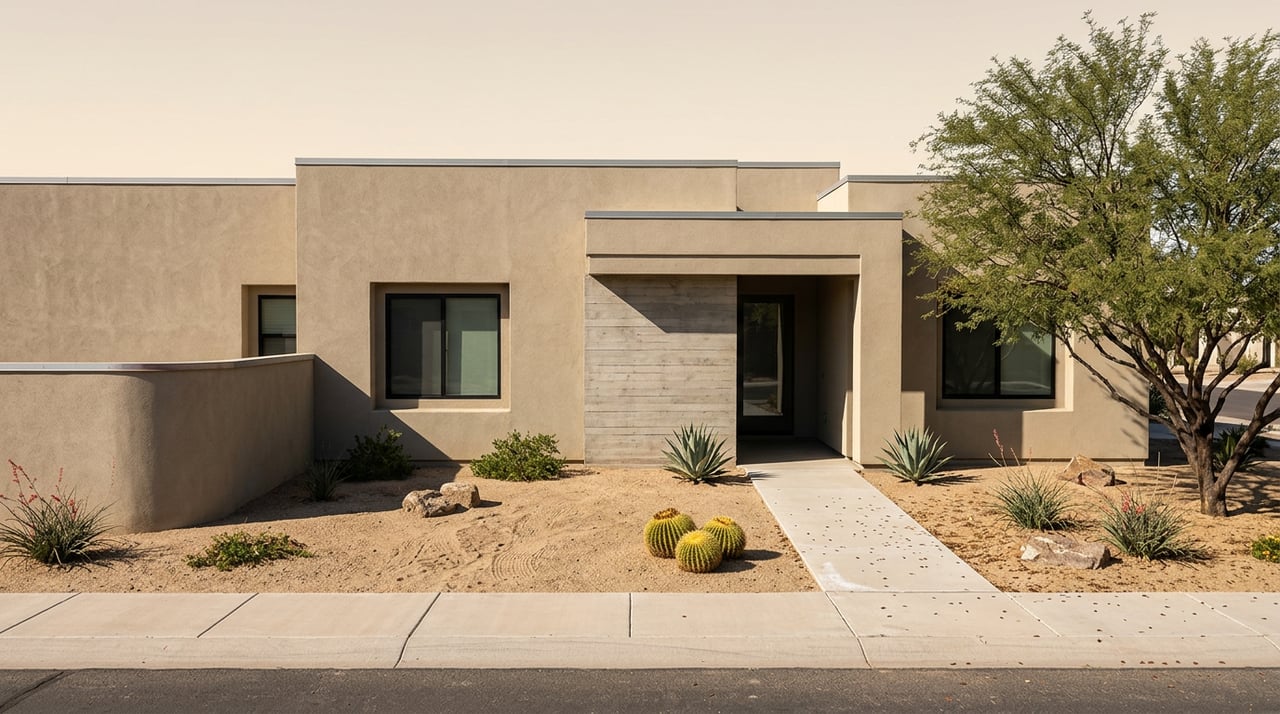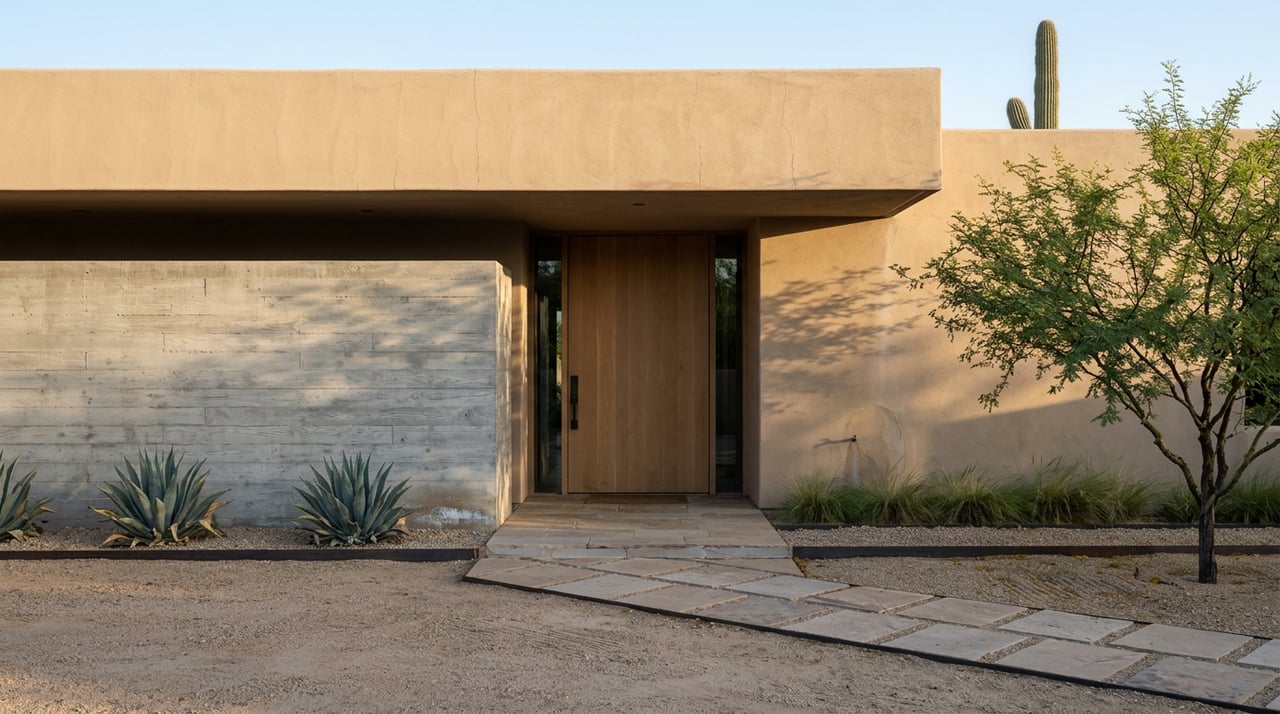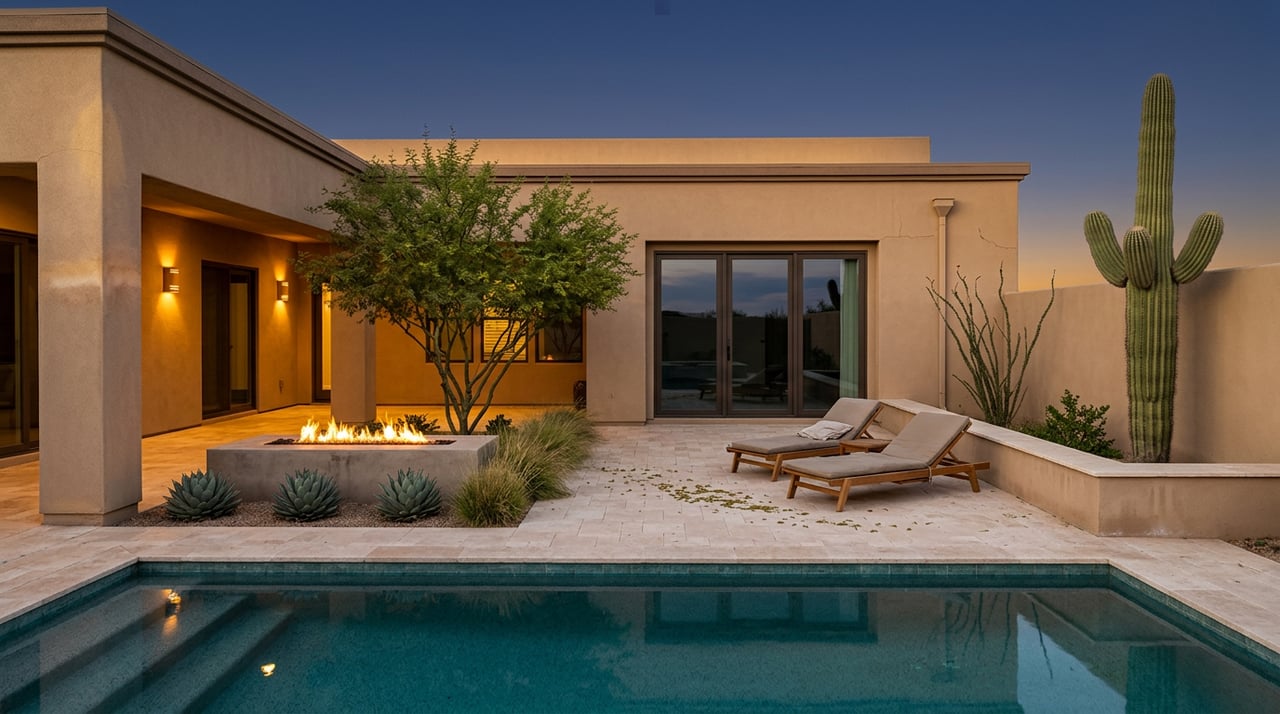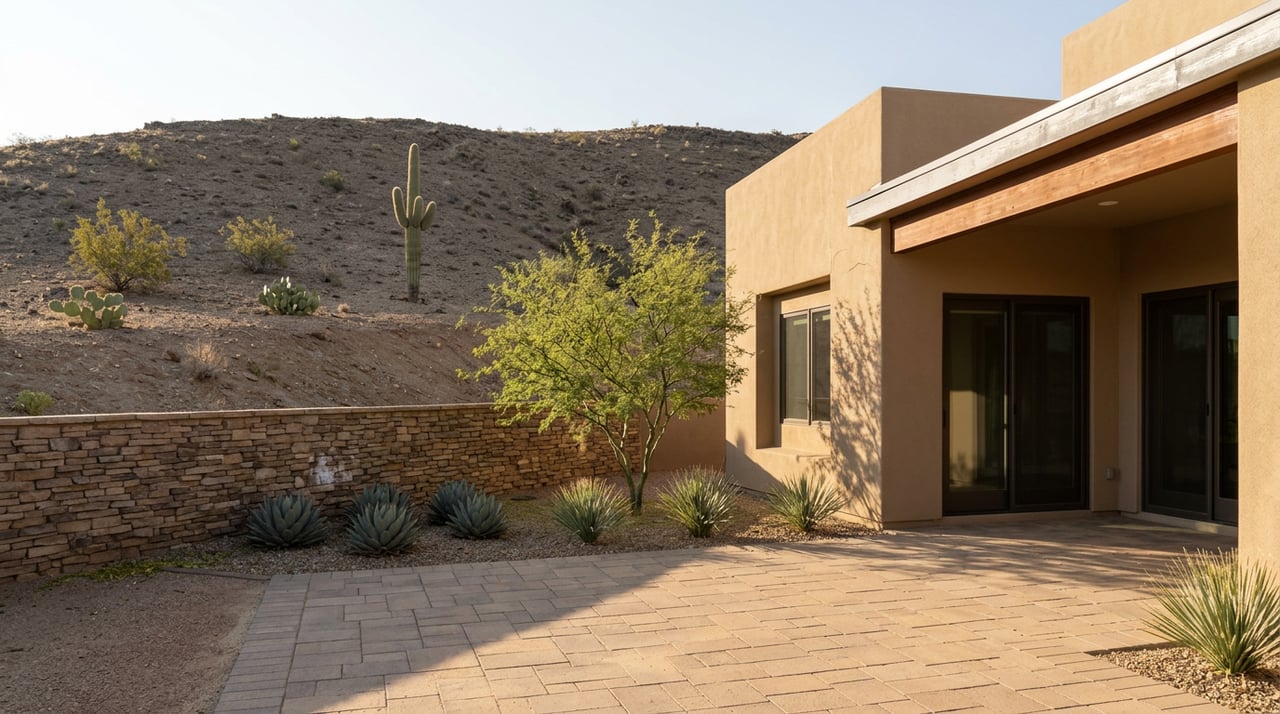
The greens went first. In the spring of 2018, maintenance crews at the Golf Club at Vistoso stopped watering the fairways on a Sunday and shut off the water to the greens ten days later. The Tom Weiskopf design, opened in 1995 and once ranked among the best public courses in the state, went dark. Not for a season. For years.
For the roughly 5,700 homes inside Rancho Vistoso, many of them marketed and sold on the promise of a golf course view, that closure turned an amenity into a question mark that sat unanswered for the better part of four years.
That story matters to anyone shopping golf-adjacent property in Oro Valley today, not because it will repeat exactly, but because it exposes a variable that never shows up in a listing sheet or a median price: who actually owns the course behind the house, and what happens to your view if the math behind that business stops working.
The Closure No HOA Could Prevent
Here's the part that catches buyers off guard. A golf course running through a residential community feels like shared infrastructure, something like a park or a greenbelt that the neighborhood collectively depends on. It isn't. In Vistoso's case, the course was owned by a private operator with no obligation to keep it open, no partnership with the surrounding homeowners association, and no requirement to consult the people whose backyards faced it before deciding the numbers didn't work anymore.
When the Toronto-based lender Romspen ended up holding the property, it explored turning the acreage into senior housing and additional home lots instead of restoring golf. Residents had no vote in that decision. One homeowner living next to the closed course, Donna Crawford, put the practical effect in blunt terms during the years of limbo: buyers were declining to make offers on homes nearby because nobody could say what the land would become.
That's the mechanism worth sitting with. A golf course view is not collectively owned by the neighborhood that surrounds it. It's a bet on a private business, and the homes near it inherit that business's risk without inheriting any say in how it's run.
What It Actually Took to Fix It
The resolution to Vistoso's closure is a genuinely good story, but it's also proof of how much effort was required to reach it. A resident-led nonprofit called Preserve Vistoso partnered with the national land trust The Conservation Fund and raised $1.8 million in five weeks from more than 400 donors to purchase 202 acres of the former course. The sale finalized in February 2022, and the land was placed under a permanent conservation easement, meaning it can never be developed. It reopened as the Vistoso Trails Nature Preserve, with the old cart paths now serving as trail routes through the Sonoran Desert.
That outcome only happened because a large, organized, well-funded group of neighbors made it happen. There was no fallback plan built into the system that guaranteed it. If the fundraiser had come up short, or if a competing developer had outbid the conservation buyers, the story ends differently.
The Twist Most Buyers Miss
Here's where the lesson gets interesting for anyone house hunting in Oro Valley right now. A home that backs up to the Vistoso Trails Nature Preserve today arguably carries less long-term risk than a home backing up to a currently operating private golf course somewhere else in town. The preserve is protected by a conservation easement. It cannot close, get sold to a developer, or have its water shut off because membership revenue declined. A working private club doesn't have that same guarantee.
Oro Valley has five golf courses today, and they don't share one ownership model. Stone Canyon Club and Oro Valley Country Club operate as private clubs built around initiation fees and dues-paying members, which means the people playing the course also have a financial stake in keeping it solvent. El Conquistador Golf and Tennis and The Views Golf Club at Oro Valley run on semi-private or community-anchored models, open to public play and tied more loosely to a single membership base. As one point of reference, El Conquistador's own membership page lists a rate of $575 a month for two designees, which gives a sense of how much financial commitment sits behind keeping a private-style course staffed and irrigated.
None of that means any of these five courses are at risk. It means the ownership structure behind a course determines how much cushion exists if revenue dips, and that structure is not something a listing photo or a median sale price will ever tell you.
| Course | Ownership model | What it means for nearby buyers |
|---|---|---|
| Stone Canyon Club | Private, member equity and dues | Members have a direct financial stake in the course's survival |
| Oro Valley Country Club | Private, member equity and dues | Same member-funded structure as Stone Canyon |
| El Conquistador Golf and Tennis | Semi-private, resort and community-linked | Revenue spread across memberships and daily-fee play |
| The Views Golf Club at Oro Valley | Semi-private, community-anchored | Tied to the broader Sun City Oro Valley community |
| Vistoso Trails Nature Preserve | Publicly protected open space | Permanently preserved under conservation easement, no golf operations |
Questions Worth Asking Before You Write an Offer
If a home you're considering backs up to any Oro Valley course, a few questions do more to protect you than anything printed on the flyer.
- Is club membership mandatory for this specific lot, or optional? The answer changes who is financially responsible for keeping the course running, and it varies by property even within the same neighborhood.
- Who owns the land under the fairway? A private LLC, a member-owned club, and a town-held preserve all carry different levels of long-term certainty.
- Has the HOA ever discussed a special assessment tied to golf course maintenance or water costs? Board minutes and reserve studies will show this if it's ever come up.
- If membership is included or discounted with the home, get the transfer terms in writing rather than relying on a verbal assurance from the seller or the listing agent.
Rancho Vistoso itself is governed by a master HOA, the Vistoso Community Association, which contracts with a management company and oversees eleven neighborhood parks in addition to the preserve. Asking to see that association's budget and reserve documents before writing an offer takes an afternoon and tells you more than any brochure will.
A Few Quick Answers
Does a golf course view guarantee long-term value in Oro Valley? Not on its own. Value depends on whether the course behind the view has a financially stable ownership structure, which varies significantly from one Oro Valley community to the next.
Is the Vistoso Trails Nature Preserve open to the public? Yes. The former course reopened as public trail space after the 2022 sale, with the old cart paths now used for walking and biking through the preserve.
How do I find out if a specific lot has mandatory club membership? Ask for the recorded CC&Rs for that specific address, not just the general neighborhood packet, since membership requirements can differ lot by lot even within the same golf community.
A backyard view is one of the best parts of living in Oro Valley, and none of this is a reason to walk away from a home near a course. It's a reason to ask a few sharper questions before you fall for the view. If you're weighing a golf-adjacent property anywhere from Rancho Vistoso to Stone Canyon, Katie Gibbons can help you pull the HOA documents, ask the right questions of the right people, and understand exactly what you're buying into before you write the offer. Let's Connect.